
Real Estate
Packers’ Jacobs isn’t worrying over whether additional allegations will lead to more punishment
By Marcus Chen
Advertisement · Why this ad?
With a Bachelor's in Business Administration from the University of Rochester, Marcus has spent over a decade covering local business trends and economic developments for WXXI News. His analytical approach has made him a go-to source for understanding local market dynamics.
More from Marcus →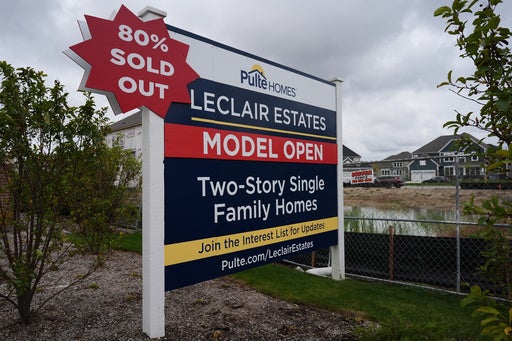
On a crisp autumn morning in Rochester, families eyeing new beginnings feel the weight of the housing market’s recent shifts. For many, the dip in mortgage rates offers a glimmer of hope amid economic headwinds that have kept homeownership just out of reach for too many. As the nation’s average 30-year mortgage rate dips to 7.18%—a decline for the third consecutive week—local real estate agents and prospective buyers alike are recalibrating their expectations and plans.
The U.S. housing landscape experienced a notable shift this week as Freddie Mac reported the average 30-year fixed-rate mortgage falling from 7.24% to 7.18%. While still significantly higher than the 6.22% recorded a year ago, this decline marks a crucial pause in a relentless upward trend that began in late February. The rise was driven largely by geopolitical tensions, notably the conflict with Iran, which spiked oil prices and fueled inflation, pushing mortgage rates to nearly three-year highs.
In tandem, the shorter-term 15-year fixed-rate mortgages also edged downward, settling at 6.57% from 6.60%. These rates are particularly influential for homeowners seeking to refinance, a strategy that can significantly lower monthly payments and reduce total interest paid over the life of a loan. Yet, despite these declines, borrowing costs remain elevated compared to pre-war levels, constraining affordability for many American families.
Mortgage rates are intricately linked to the bond market, specifically the yields on 10-year Treasury notes, which serve as a benchmark for long-term borrowing costs. The yield on these Treasurys has eased from over 5.30% in early October to around 4.84% midweek, the lowest since early September. This decline in yields translates directly into lower mortgage rates, offering some breathing room for prospective buyers amid ongoing economic uncertainties.
In Rochester and across Upstate New York, the housing market continues to face headwinds, echoing national trends. Local real estate agents report a slowdown in home sales, with many buyers hesitant to commit amid rising borrowing costs. The American Dream of homeownership remains a core value in our community, but high mortgage rates—adding roughly $300 to $350 per month on a typical $400,000 loan—have made affordability a challenge.
Many families are choosing to delay purchasing or to rent longer, which impacts local economies and community stability. The high costs can strain family budgets, especially for those with modest incomes, and threaten the fabric of families committed to building lives rooted in faith, stability, and shared purpose. As the housing market adjusts, local policymakers and community leaders are watching closely, seeking ways to support families in achieving their homeownership goals.
Local real estate agents and housing advocates have been vocal about the need for policies that help mitigate these rising costs. Jane Miller, president of the Rochester Association of Realtors, emphasizes the importance of community-based solutions. “We’re seeing a real impact on first-time homebuyers, especially young families who are just starting out,” she explains. “Affordable housing initiatives and down payment assistance programs could make a real difference in helping people achieve their dreams.”
Meanwhile, city officials are exploring ways to support affordable housing development. Rochester’s Department of Housing and Community Development has announced plans to collaborate with local nonprofits to increase access to affordable rental units and to incentivize developers to include affordable housing options in new projects. These efforts aim to stabilize the local housing market and ensure that families from diverse backgrounds can find safe, affordable homes in their neighborhoods.
Community organizations like the Rochester Housing Justice Coalition have been advocating for broader reforms, including rent stabilization and expanded housing subsidies. Their work underscores the importance of a comprehensive approach to housing affordability, especially as economic pressures mount on working-class families.
Economists and housing experts suggest that the recent decline in mortgage rates may be a temporary respite rather than a sustained trend. Factors such as inflation, Federal Reserve policies, and global geopolitical developments continue to influence bond yields and borrowing costs. For Rochester families, this means staying informed and prepared, as mortgage rates could fluctuate in the coming months.
Looking ahead, the key to stabilizing the housing market lies in balancing economic growth with inflation control. Local initiatives aimed at increasing affordable housing options and supporting first-time buyers could serve as vital tools in restoring momentum. As families seek to build lives grounded in faith and commitment, ensuring access to affordable, stable housing remains a cornerstone of community well-being and economic resilience.
Furthermore, community stakeholders are emphasizing the importance of financial literacy programs to help prospective homebuyers navigate the complexities of mortgage options and credit management. Workshops hosted by local banks and housing agencies aim to empower residents with the knowledge needed to make informed decisions, especially as interest rates remain volatile.
Local financial institutions are also stepping up, offering specialized loan programs and counseling services tailored to Rochester’s diverse population. For example, the Greater Rochester Credit Union has announced new initiatives to assist first-time buyers with lower down payments and reduced interest rates. These efforts are vital in a landscape where rising mortgage costs threaten to widen the gap between those who can afford to buy and those who cannot.
As the city continues to grow and evolve, the challenge remains to make homeownership accessible to all residents. Urban planners and policymakers are considering innovative solutions such as tiny home communities, modular housing, and zoning reforms to encourage more affordable development. These strategies, combined with community engagement, could help Rochester turn the tide on its housing slump.
Meanwhile, families and individuals remain hopeful. Stories of local residents who have navigated the hurdles of rising rates and found affordable housing serve as inspiration. For many, the goal is not just owning a house but creating a stable, nurturing environment where children can grow and communities can thrive.
The story of mortgage rates is more than just numbers; it’s about families, faith, and the American dream. Rochester’s strength lies in its communities built on enduring relationships and shared values. As the market evolves, so too does the opportunity for our community to come together, support one another, and turn the tide toward a brighter, more stable future for all.
In the coming months, residents, policymakers, and industry leaders will need to collaborate closely to address the ongoing challenges and seize opportunities for growth. Whether through policy reform, innovative housing solutions, or community-driven initiatives, Rochester is positioned to adapt and thrive. The hope remains that, with collective effort, the dream of homeownership can become a reality for more families across our city, reaffirming our community’s resilience and commitment to building a better future.
By Marcus Chen

By Fatima Khan
By Evelyn Rodriguez

By James McCarthy