Health
Postal employee shot 2 coworkers at an Iowa post office before being captured, police say
By Nelson Brooks
Advertisement · Why this ad?
Tiffany graduated from the University of Rochester with a degree in Journalism and has spent the last two years covering community stories for various local publications. Her background in nonprofit work helps her connect deeply with the community she serves.
More from Tiffany →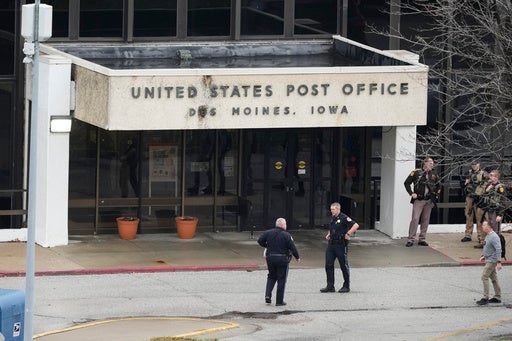
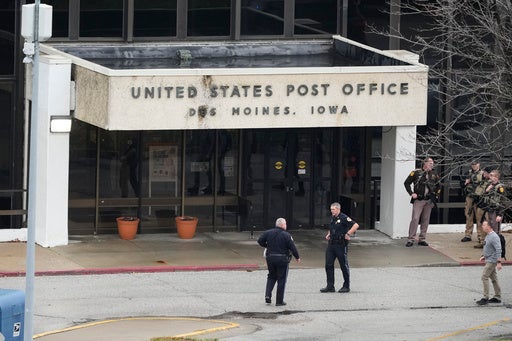
On a brisk morning in Des Moines, the hum of daily routines was shattered by the sound of gunfire echoing through the city’s main post office. Witnesses recall hearing 10 to 12 shots ring out, turning a place of service and community into a scene of chaos and sorrow. Jennifer Christine Pledger, a 39-year-old postal employee, allegedly opened fire on her colleagues, leaving two women and a man injured, before being swiftly captured by law enforcement. This tragic incident underscores the fragile veneer of safety in workplaces that are often overlooked as potential sites of violence, and it prompts a community-wide reflection on the importance of mental health, workplace safety, and the sacredness of human life.
The shooting took place on the second floor of the Des Moines post office, an area not open to the public, which perhaps limited the number of casualties. According to police reports, Pledger targeted her colleagues, firing multiple rounds from a 9 mm handgun. She stood over one victim and continued firing as she fled the scene, demonstrating a disturbing level of intent and violence. The victims, aged 45, 53, and 55, were transported to local hospitals and are currently in stable condition. Fortunately, the injuries were not life-threatening, but the emotional scars left by such an act are likely to linger for years.
Law enforcement responded rapidly, arriving within three minutes of receiving the first calls around 9:10 a.m. They tracked down Pledger along a nearby bike path at 9:21 a.m., where she was detained without resistance. Police recovered the firearm at the scene, and Pledger now faces multiple serious charges, including attempted murder and willful injury causing serious harm. The swift response and apprehension prevented further tragedy, but the incident has left an indelible mark on the community’s sense of security.
Des Moines, the capital city of Iowa, is a vibrant hub of commerce, government, and community life. With a population of approximately 214,000 residents, it is known for its friendly neighborhoods, a growing arts scene, and a strong sense of Midwestern hospitality. The Des Moines post office, situated just north of downtown and across from one of the city’s main hospitals, is a critical node in the regional postal network, serving thousands of residents and local businesses daily. The incident at this facility not only disrupted mail services but also sent shockwaves through a community accustomed to safety and stability.
Local postal employees, many of whom have worked at the facility for years, expressed shock and grief over the event. For many, the post office is more than just a workplace; it’s a community where friendships are forged, and routines provide stability. The shooting has prompted a reevaluation of workplace safety protocols, especially in environments where employees often work under tight deadlines and high stress. The community’s response has been one of resilience, with many residents reaching out to support the victims and their families, emphasizing the importance of mental health resources and workplace support systems.
Community leaders, including Mayor Frank Clark and local health officials, have called for calm and unity. The Des Moines Police Department has pledged to increase security measures at public facilities and is working closely with postal officials to review safety procedures. The incident also raises broader questions about mental health services accessibility in Iowa, a state that has historically faced challenges in adequately funding and expanding mental health programs.
The immediate aftermath saw local authorities and community leaders rallying around the victims and their families. Des Moines Police Sgt. Paul Parizek emphasized the professionalism of the officers and the importance of swift action in preventing further loss of life. Governor Kim Reynolds expressed her concern and prayers for everyone involved, highlighting the need for ongoing safety measures in workplaces across the state. The local school district also responded by temporarily restricting access to nearby facilities, including an elementary school, to ensure safety during the incident.
In the days following the shooting, residents and postal employees alike grappled with feelings of shock and sadness. Many emphasized the importance of mental health awareness and the need for stronger support systems for employees facing stress or emotional difficulties. The incident also reignited discussions about workplace violence prevention, especially in environments like postal facilities that have historically experienced tragic events. Community prayer vigils and support groups have started to form, emphasizing the importance of coming together in times of crisis and reaffirming the value of human life and community bonds.
Local faith organizations, including the First United Methodist Church and St. Paul’s Episcopal Cathedral, organized prayer services and counseling sessions for those affected. These efforts aim to foster healing and remind community members that they are not alone in facing tragedy. Mental health advocates are also calling for increased funding and awareness campaigns to address workplace stressors that can sometimes escalate into violence.
The incident in Des Moines echoes a long and troubling history of violence within postal workplaces. Over the decades, the term “going postal” has become synonymous with workplace shootings, stemming from a series of tragic events that have shaped policies and perceptions. The 1986 Edmond, Oklahoma, shooting, where a disgruntled postal worker killed 14 colleagues before taking his own life, remains one of the most notorious examples. Similarly, in 1991, a fired postal worker in Royal Oak, Michigan, murdered four former colleagues before ending his own life. These events prompted national conversations about mental health, employee support, and workplace safety protocols.
In response, the U.S. Postal Service commissioned a comprehensive study in 2000 to examine workplace violence, which concluded that postal workers were less violent than the general workforce but acknowledged the need for better prevention measures. Despite these efforts, incidents have continued, including the 2006 Goleta, California, shooting where a former postal employee killed six coworkers before killing himself. These tragedies serve as stark reminders of the importance of vigilance, mental health support, and a culture of respect within workplaces.
As authorities continue their investigation, there is a collective hope that this tragedy will serve as a wake-up call for increased safety protocols and mental health resources within workplaces. The U.S. Postal Inspection Service has committed to a thorough review of employee safety policies, building on past efforts prompted by incidents like the 1986 Edmond, Oklahoma, shooting and the 2006 California attack. Community leaders are calling for comprehensive programs that foster a culture of respect, support, and vigilance, ensuring that no one feels pushed to the brink.
The community’s resilience will be tested, but it also offers an opportunity to reaffirm shared values — the importance of strong families, faith, and standing together in adversity. Local churches and faith-based organizations are planning outreach to support those affected, reminding us that authentic community is rooted in compassion and genuine concern for one another. Moving forward, there is hope that such tragedies will inspire meaningful change, making workplaces safer and communities stronger.
City officials are also exploring ways to improve mental health services and crisis intervention programs, aiming to prevent future tragedies. Discussions are underway about increasing employee assistance programs and providing more accessible counseling services. Additionally, the city is considering implementing more robust security measures at public facilities, including surveillance upgrades and emergency response drills.
Furthermore, community organizations such as Families First and local mental health clinics are mobilizing to offer support, understanding that healing requires collective effort. The incident has also sparked conversations about reducing stigma around mental health issues, encouraging individuals to seek help before reaching a crisis point. Schools, workplaces, and faith communities are all vital components in creating a supportive environment where mental well-being is prioritized.
As Des Moines and the surrounding areas reflect on this painful event, the focus remains on healing and prevention. The incident underscores the vital need for ongoing dialogue about mental health, workplace safety, and the importance of nurturing environments where everyone feels valued and protected. In a nation built on the strength of families and communities, it is our collective responsibility to ensure that tragedies like this do not define us, but rather propel us toward a safer, more compassionate future.
By Nelson Brooks

By Fatima Khan

By Nelson Brooks
By Lila Thompson