Schools
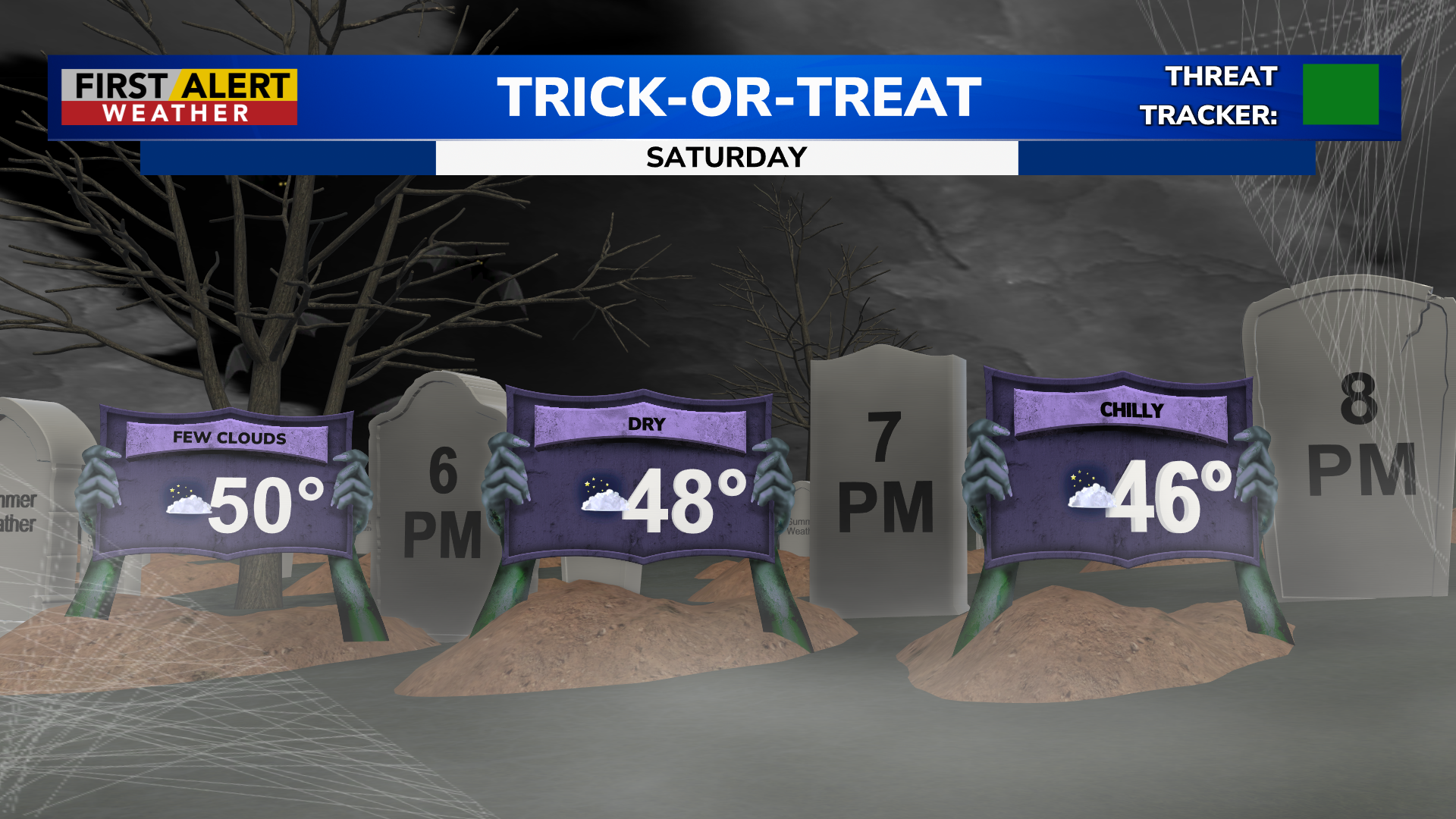
First Alert Weather: Tracking latest look at Halloween and weekend forecast
By Lucas Grant
Advertisement · Why this ad?
A former educator, Lucas holds a degree in Education from Nazareth College and has transitioned to journalism, focusing on education reporting for the Rochester Beacon. He aims to shed light on both the challenges and triumphs within local schools.
More from Lucas →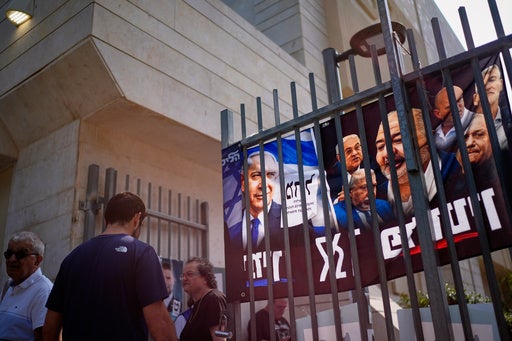
TEL AVIV, Israel (AP) — Israeli election results are in, showing the makeup of the country s next parliament but leaving open the question of who will be prime minister. Party leaders will now hold high-stakes negotiations as they try to cobble together a 61-seat coalition in the 120-member assembly, known as the Knesset. It s a tough path ahead for both Prime Minister Benjamin Netanyahu and his main rival, former military chief Gadi Eisenkot. Neither of their camps won a majority, and Arab-led parties, which won a historic 19 seats, could play a decisive role. Any possible coalition would require candidates to make tough compromises that could outrage their own voters. If they are unable to do so, new elections would be held early next year, with Netanyahu s government staying on as caretaker until then. Here is a look at the possible scenarios: Eisenkot and the Arab parties On paper, the most straightforward solution would be for Eisenkot to join forces with the Arab-le
By Lucas Grant
By Lucas Grant

By Lucas Grant

By Lucas Grant