
Community
Rochester man sentenced to 32 months in prison for stealing mail carrier’s keys in 2023
By Fatima Khan
Advertisement · Why this ad?
Fatima holds a Bachelor's in Sociology and Communications from the University at Buffalo and has spent four years reporting on community issues for Rochester's grassroots publications. Her deep engagement with local neighborhoods informs her storytelling.
More from Fatima →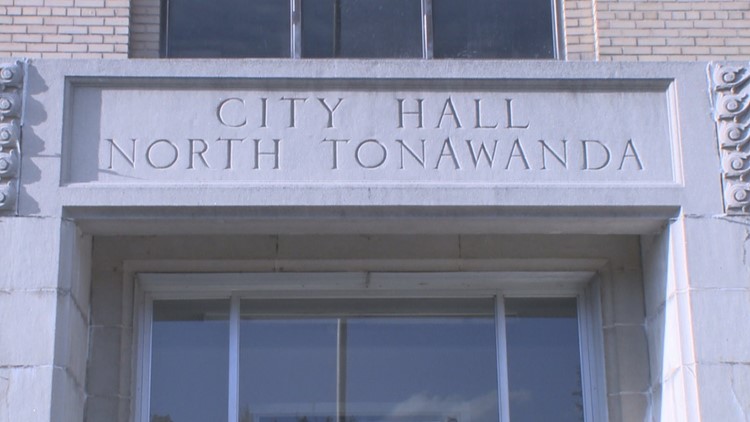
As the leaves begin to fall and the air turns crisp, residents of North Tonawanda find themselves in a unique moment of reprieve. With the overnight parking ban now delayed until December 1, families breathe a sigh of relief, allowing them to navigate the changing seasons with a bit more ease. This decision offers a welcome grace period for those who rely on street parking, providing an extra month to adjust before the winter regulations take hold.
However, this flexibility in North Tonawanda stands in contrast to several neighboring communities. While North Tonawanda will push the start of its overnight parking ban until December 1, municipalities such as Amherst, Orchard Park, and both the Town and City of Tonawanda will adhere to their traditional November 1 start dates for their respective bans.
The differing timelines across Western New York highlight the localized nature of municipal governance and the unique considerations each town faces as winter approaches. For residents in Amherst, Orchard Park, the Town of Tonawanda, and the City of Tonawanda, the overnight parking ban officially commences on November 1. This means that vehicles parked on public streets during designated overnight hours will be subject to tickets or towing, a measure primarily implemented to facilitate snow removal and ensure emergency vehicle access during the harsh winter months.
In North Tonawanda, however, the community has been granted a temporary reprieve. The decision to delay the ban until December 1 offers residents an additional four weeks to prepare for the colder weather and adjust their parking routines. This extra time can be particularly beneficial for families juggling busy schedules, those with limited off-street parking, or individuals making last-minute arrangements for winter vehicle storage.
Overnight parking bans are a common seasonal practice across many municipalities in New York State, designed to maintain clear roadways and enhance public safety during periods of heavy snowfall. These regulations are crucial for allowing Department of Public Works crews to efficiently plow streets and for emergency services to navigate unimpeded. The varying start dates among these neighboring towns underscore the fact that local officials often weigh community needs against operational necessities.
The human element in these decisions is profound. For many households, especially those in older neighborhoods or multi-family dwellings, street parking isn't a luxury but a necessity. The delay in North Tonawanda has been met with palpable relief by residents who rely on this option. One local mother, who asked not to be named, shared, “With three children and a busy work schedule, finding parking can be a daily challenge. That extra month means we don’t have to rush to figure out winter parking solutions right as school starts getting into full swing. It’s a small thing, but it makes a big difference for our family.”
Local business owners also feel the ripple effects of these regulations. While the bans are typically overnight, their presence can influence evening customer traffic, particularly in areas with limited private parking. A delayed start, even by a month, can provide a slight boost during the crucial early fall season, allowing patrons to visit local establishments without immediate concern for parking restrictions. The Buffalo Niagara Partnership often highlights how local regulations can impact small businesses, and these parking decisions are no exception.
While North Tonawanda has opted for a later start, its neighbors are holding firm. Residents in Amherst, a vibrant community known for its family-friendly atmosphere, will need to ensure their vehicles are off the streets by the November 1 deadline. Similarly, Orchard Park, with its picturesque landscapes and close-knit community, will also begin its ban on the first of November, a date long familiar to its residents.
The Town of Tonawanda and the City of Tonawanda, two distinct but geographically intertwined communities, will also implement their overnight parking bans on November 1. These consistent start dates across multiple municipalities reflect a common understanding of the challenges winter brings to Western New York. For decades, these communities have adapted to these seasonal changes, fostering a resilient spirit among their residents.
As we move deeper into autumn, the importance of community preparedness cannot be overstated. Whether a parking ban starts on November 1 or December 1, the underlying message is clear: winter is coming, and with it, the need for vigilance and cooperation. Families are encouraged to review their municipal guidelines, plan for alternative parking solutions, and ensure their vehicles are ready for colder temperatures and potential snowfall.
This is also a time for neighbors to look out for one another. In communities built on strong foundations, like those across Western New York, helping an elderly neighbor clear their driveway or offering a temporary parking spot can strengthen the bonds that make these places so special. The spirit of mutual support, often rooted in shared values of family and community, truly shines during these colder months.
The decision by North Tonawanda to delay its parking ban, while unique among its immediate neighbors, underscores a responsive approach to community needs. It reflects an understanding that regulations, while necessary, should also consider the practicalities of daily life for hardworking families and individuals. This flexibility can foster a greater sense of trust and cooperation between residents and local government, a cornerstone of effective municipal governance.
As the first snowflakes begin to fall, whether in early November or early December, the communities of Western New York will once again adapt to the rhythms of winter. Residents are encouraged to stay informed about local weather forecasts from sources like the National Weather Service Buffalo and to consult their respective municipal websites for specific parking regulations. Resources like Ready.gov also offer valuable tips for general winter preparedness, from home safety to emergency kits.
Ultimately, this story reflects a community's struggle for balance between necessary regulations and the practical realities of everyday life. It highlights the resilience and adaptability of our neighbors, and the importance of local leaders listening to the needs of their constituents. As families gather in their warm homes, preparing for the season ahead, these small victories in municipal decision-making contribute to the overall well-being and stability of our cherished Western New York communities, reminding us that thoughtful leadership can indeed make a tangible difference in daily lives.
By Fatima Khan

By Tiffany Nguyen

By Marcus Chen
By Katherine Langford