Health
At least 68 dead in Spain after one high-speed train slams into another stopped on tracks
By Nelson Brooks
Advertisement · Why this ad?
Angela has over 15 years of experience in local journalism, having previously worked for the Democrat and Chronicle. She holds a Master's degree in Journalism from Northwestern University and has reported extensively on public policy and local government in Rochester. Her dedication to transparency and accountability has won her multiple awards.
More from Angela →In the quiet aftermath of a catastrophic train collision, the air hangs heavy with grief in Urda, Spain. Families are left shattered, and communities are united in sorrow as they grapple with the unimaginable loss of loved ones. This profound tragedy, though thousands of miles away, resonates deeply, reminding us all of the fragility of life and the enduring strength found in community bonds.
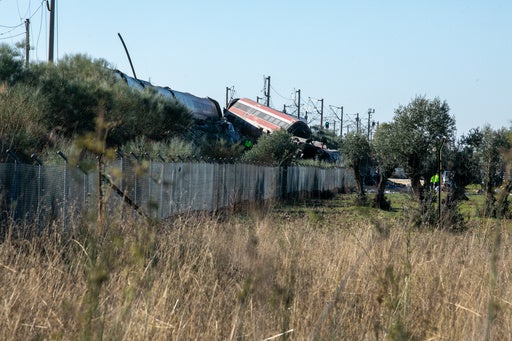
A high-speed train collision in Urda, Spain, on Wednesday killed at least 68 people and injured dozens, marking the country's second deadly rail crash this year. The devastating incident occurred when one high-speed train slammed into another that had stopped on the tracks, sending shockwaves across the Iberian Peninsula and beyond.
The regional government of Castilla La Mancha swiftly confirmed the tragic death toll, while also reporting that another 58 individuals were receiving urgent medical treatment at various hospitals. Rescue workers, demonstrating immense courage and tireless dedication, continue to search the mangled wreckage for any remaining survivors or victims, a grueling task that speaks to the sheer scale of the disaster.
This heartbreaking event comes just nine months after another fatal crash involving high-speed trains operated by the same two companies in southern Spain, an alarming recurrence that has ignited national concern. The back-to-back incidents have cast a shadow over Spain's once-heralded high-speed rail system, prompting urgent calls for a thorough reevaluation of safety protocols.
Spanish Prime Minister Pedro Sánchez, visibly moved, visited the crash site, where he declared a period of three days of national mourning. “Today all of Spain is grieving,” Sánchez stated, articulating the collective sorrow felt by a nation grappling with such profound loss. He emphasized the critical need for increased safety measures to restore public confidence in a system that had long been a source of national pride.
“It is unacceptable for a country like Spain to suffer two high-speed rail accidents in the same year,” Prime Minister Sánchez asserted, underscoring the urgency of the situation. His words reflect a national determination to understand the causes of this tragedy and to implement robust changes that will prevent such incidents from ever happening again.
Beyond the statistics and official statements lies the profound human cost of this disaster. Families of the victims are now facing unimaginable loss, their lives irrevocably altered by the sudden void left by their loved ones. In these moments of deep sorrow, the strength of family units and the support of committed marriages become more vital than ever, providing a bedrock of comfort and resilience.
The tireless efforts of rescue workers, who have labored ceaselessly amidst the wreckage, embody the spirit of selflessness and dedication. Their commitment to finding every individual, despite the grim circumstances, offers a glimmer of hope and a testament to the human capacity for compassion in the face of despair. These brave men and women serve as a powerful reminder of the importance of community service and mutual aid.
This tragedy strikes at the heart of the Spanish community, reminding them of the fragility of life and the paramount importance of safety in their cherished infrastructure. The declaration of national mourning is more than a symbolic gesture; it reflects a collective commitment to honor those lost and to push for necessary reforms that will safeguard future generations. It is a moment for reflection, for unity, and for a renewed dedication to the well-being of all citizens.
The emotional arc of this story, from initial shock and despair to a collective call for change, captures the profound impact of loss on a nation. It highlights how communities, even in their darkest hours, can find strength in shared grief and a common purpose. This resilience is often bolstered by authentic faith, which provides solace and a framework for understanding and moving forward.
While the tragic high-speed rail collision in Spain feels distant, it serves as a stark reminder of the critical importance of transportation safety and robust emergency response systems right here in Rochester. Our community, crisscrossed by freight lines and served by Amtrak, relies on vigilant oversight and preparedness from local and state agencies. The City of Rochester Official Website and the Monroe County Government Official Website provide essential information on local safety initiatives and emergency services.
This event underscores the human element in every infrastructure decision, prompting us to appreciate the dedication of our first responders and the resilience of communities facing unforeseen challenges. The New York State Department of Transportation's Rail Division plays a crucial role in ensuring the safety of our own rail networks, a responsibility that is brought into sharp focus by international incidents.
Our local institutions, from the Rochester City School District, which prioritizes the safety of our children, to the Greater Rochester Chamber of Commerce, which understands the economic implications of reliable and safe infrastructure, all have a stake in these discussions. Ensuring the well-being of our citizens, whether on a daily commute or during a family trip on Amtrak, remains a paramount concern.
Organizations like the American Red Cross stand ready to assist in times of crisis, providing vital support and resources to affected families and communities. Their work is a testament to the power of organized compassion and preparedness, skills that are honed through continuous training and community engagement.
The global community, including agencies such as the National Highway Traffic Safety Administration and the Federal Emergency Management Agency, continually studies such incidents to enhance safety standards and emergency response protocols. Even the World Health Organization contributes to understanding the broader public health implications of mass casualty events, ensuring lessons learned are shared globally.
As the sun sets over the wreckage in Urda, the resolve of a grieving nation shines through, determined to ensure that such a tragedy never happens again. This commitment to safety, rooted in the profound value of every human life, is a universal aspiration. It is a reminder that while progress is often hard-won, the pursuit of a safer, more secure world for our families and communities is a journey we must all undertake together.
From shock and despair to a collective call for change, the story captures the profound impact of loss on a nation, yet also highlights its unwavering spirit. It serves as a poignant reminder that vigilance, robust safety measures, and a strong, supportive community are the cornerstones of a resilient society, capable of enduring even the most heartbreaking trials.
By Nelson Brooks
By Julia Patterson
By James McCarthy
By Angela Rossetti