
Health
Police: Staff member injured in assault at Monroe Community Hospital
By Marcus Chen
Advertisement · Why this ad?
Angela has over 15 years of experience in local journalism, having previously worked for the Democrat and Chronicle. She holds a Master's degree in Journalism from Northwestern University and has reported extensively on public policy and local government in Rochester. Her dedication to transparency and accountability has won her multiple awards.
More from Angela →
At a pivotal gathering at the University of Rochester, addiction treatment leaders shared their insights on the escalating opioid crisis, revealing the stark reality of lives affected by substance use. One poignant moment came when a treatment advocate recounted a heart-wrenching story of a young mother whose battle with addiction left her family shattered, underscoring the profound human cost of this ongoing public health challenge.
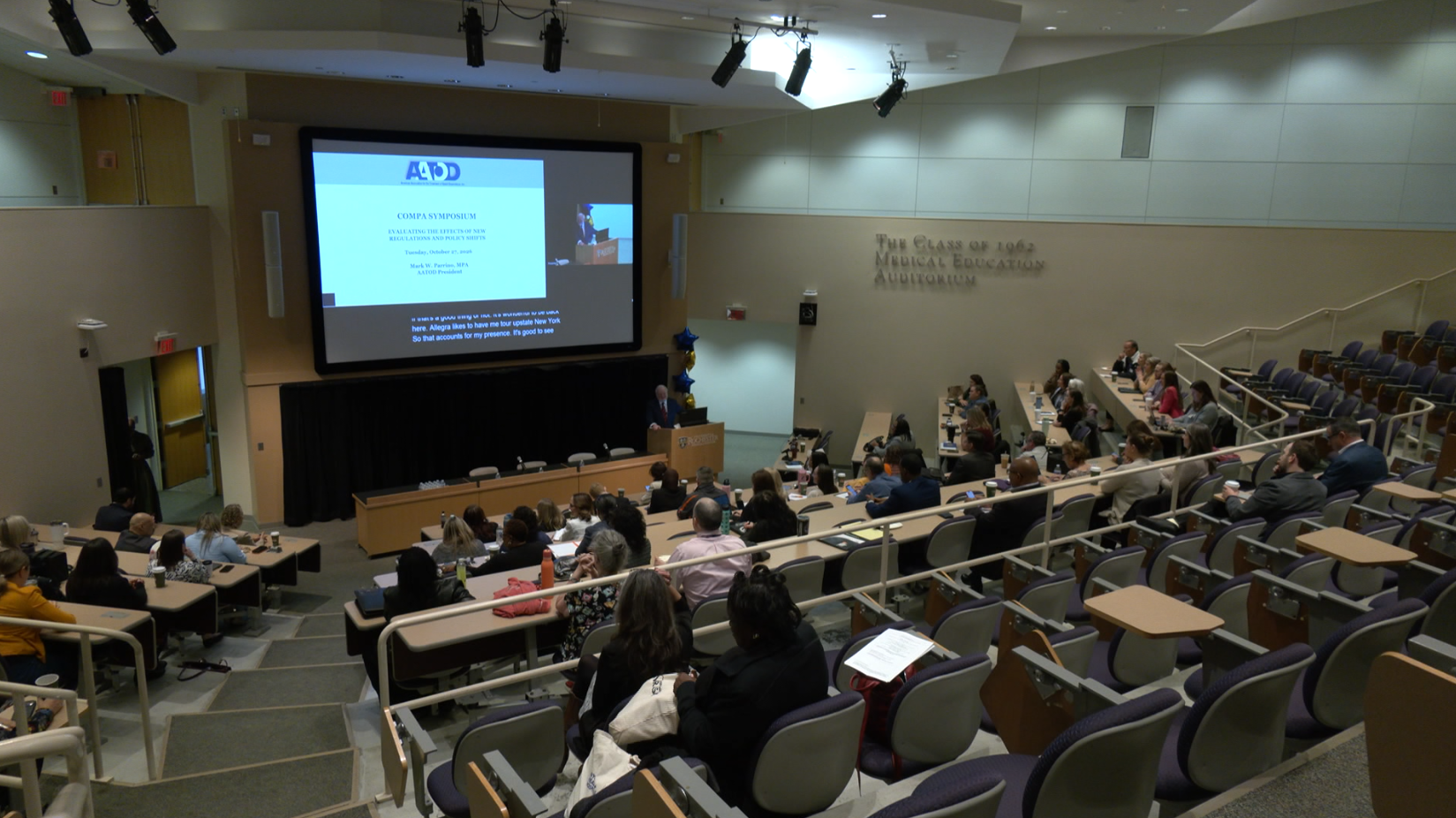
This emotional testimony set a somber yet determined tone for the discussions that followed, as addiction treatment leaders convened at the University of Rochester School of Medicine and Dentistry. Their purpose was clear: to address critical changes to Medicaid, enhance patient care strategies, and confront emerging concerns surrounding the opioid crisis, with particular attention paid to the controversial plant, kratom.
The recent assembly in Rochester, N.Y., brought together key figures dedicated to combating the scourge of addiction. These leaders gathered to discuss not just policy, but the very fabric of patient support and recovery. The dialogue centered on adapting to changes within Medicaid, a vital program that provides healthcare coverage to millions, including those desperately needing addiction treatment services.
Ensuring that patient care remains at the forefront of these discussions is paramount. Experts emphasized the need for holistic approaches that consider not only the physical aspects of addiction but also the mental, emotional, and spiritual well-being of individuals and their families. This comprehensive view is essential for fostering lasting recovery and rebuilding lives.
The escalating opioid crisis continues to cast a long shadow over communities nationwide, and Rochester is no exception. This ongoing public health emergency necessitates constant vigilance and adaptive strategies from those on the front lines. The discussions at the University of Rochester underscored the region's proactive stance in addressing this complex issue, reflecting a community deeply invested in the well-being of its residents.
A significant portion of the gathering was dedicated to emerging concerns surrounding the opioid crisis, particularly the plant known as kratom. For many, kratom might sound innocuous, but health officials have raised serious alarms about its potential for addiction and severe withdrawal symptoms. This plant, native to Southeast Asia, contains compounds that can act on opioid receptors in the brain, leading to effects similar to those of opioids.
The U.S. Food and Drug Administration (FDA) and other public health bodies have issued warnings about kratom, noting that it is often marketed as a safe alternative to opioids or as a treatment for opioid withdrawal, despite a lack of scientific evidence supporting these claims. The reality, as highlighted by the addiction treatment leaders, is that kratom itself can lead to dependence, creating a new challenge for individuals seeking sobriety.
The discussions delved into the mechanisms of kratom's effects and the difficulties in treating its addiction. Unlike regulated medications, kratom's potency and purity can vary widely, making its use particularly risky. The National Institute on Drug Abuse (NIDA) provides extensive resources on the dangers of such unregulated substances, reinforcing the need for caution and informed public discourse.
The insights shared at this gathering are vital for the Rochester community, as they shed light on the urgent need for effective addiction treatment and prevention strategies. The human cost of addiction, as exemplified by the story of the young mother, extends far beyond the individual, impacting spouses, children, and the broader community. Strong marriages and intact families form the bedrock of a healthy society, and addiction can tragically erode these foundational pillars.
Local leaders and organizations are working tirelessly to provide support. The City of Rochester and Monroe County governments, alongside numerous non-profits, offer a network of resources aimed at prevention, treatment, and recovery. These efforts are crucial for upholding the American dream of stable, loving households, where every individual has the opportunity to thrive.
The discussions also emphasized the importance of community support systems, including faith-based initiatives, which often play a critical role in providing comfort, guidance, and practical assistance to those struggling with addiction and their families. Authentic Christian faith, for many, offers a powerful pathway to healing and renewed purpose, fostering resilience in the face of adversity.
The impact of addiction on families cannot be overstated. Children growing up in homes affected by substance use face unique challenges, underscoring the critical need for interventions that support the entire family unit. Resources from organizations like the Substance Abuse and Mental Health Services Administration (SAMHSA) highlight strategies for family-centered care.
Moreover, the economic burden of the opioid crisis on families and healthcare systems is substantial. The Centers for Disease Control and Prevention (CDC) regularly publishes data illustrating the widespread impact, from increased healthcare costs to lost productivity. Addressing these issues requires a collaborative approach involving healthcare providers, policymakers, and community organizations.
The Greater Rochester Chamber of Commerce, for instance, recognizes the importance of a healthy workforce and community, often supporting initiatives that promote well-being. Similarly, the United Way of Greater Rochester and the Finger Lakes mobilizes resources to address pressing social issues, including addiction, demonstrating a collective commitment to community welfare.
As the session concluded, attendees were left with a renewed sense of urgency and commitment to fostering a healthier community, where families can find hope and healing together. The ongoing dialogue between medical professionals, policymakers, and community advocates is essential for developing comprehensive strategies that can effectively combat the opioid crisis and mitigate the emerging threat of substances like kratom.
The University of Rochester, as a leading institution, continues to be a nexus for such critical public health discussions, demonstrating its commitment not only to education but also to the well-being of the wider region. The insights shared will undoubtedly shape local policies and support systems, ensuring that Rochester remains at the forefront of addiction treatment and prevention.
Ultimately, the path forward involves continued research, accessible treatment options, and robust community support. By working together, upholding the values of strong family bonds and compassionate care, Rochester can continue to build a resilient community capable of overcoming the challenges posed by addiction, offering a beacon of hope for those seeking recovery and a brighter future.
By Marcus Chen

By Nelson Brooks
By Katherine Langford
By Marcus Chen